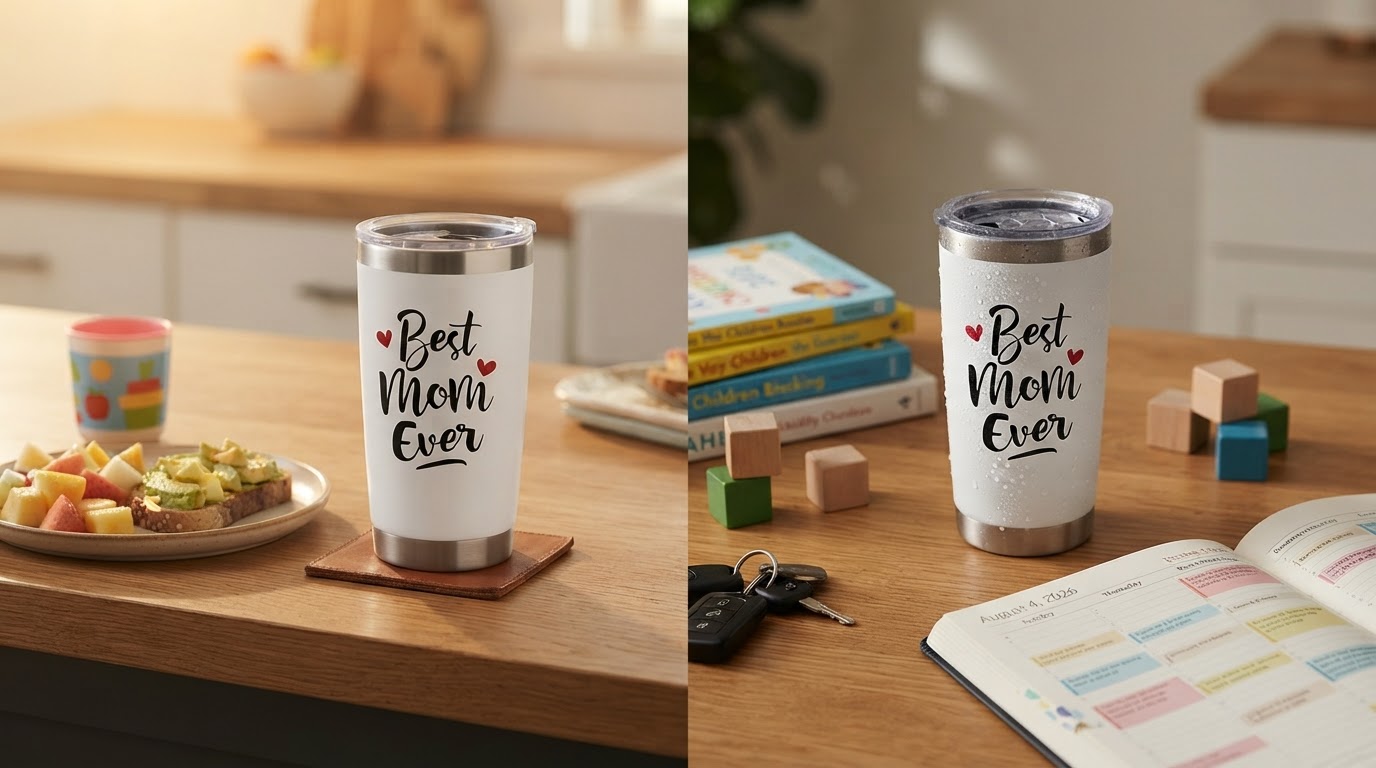
Evaluating the Mommy Tumbler for Daily Hydration Demands
August 4, 2026. This evaluation focuses on the thermal efficiency and physical resilience of the Mommy Tumbler when subjected to a standard parenting schedule. It is intended for consumers who require a vessel that maintains beverage temperature through long periods of neglect and frequent movement.
The Reality of Interrupted Hydration
I tested this for fourteen days straight to see how a standard insulated cup holds up when it isn't the priority. The primary obstacle for any parent isn't just thirst; it is the fact that a cup of coffee or ice water is rarely finished in one sitting. According to the Mayo Clinic, women should aim for about 11.5 cups of fluids a day, but achieving that is difficult when your primary vessel is constantly being misplaced or left in a hot car. During my first week of testing, I tracked how many times I actually reached for a drink only to find it had reached room temperature. Without a dedicated [best tumbler for busy moms](/blog/best-tumbler-for-busy-moms), the cycle of reheating or dumping out lukewarm water becomes a constant frustration. Day three is where I noticed that my usual open-top mug was essentially useless by 10:00 AM because I was too busy managing household tasks to finish it while it was fresh. This gap in utility is where specialized insulation becomes a necessity rather than a luxury. A vessel needs to act as a thermal vault that can survive being forgotten on a kitchen counter for four hours while you deal with a toddler's tantrum or a pile of laundry. If the vessel cannot maintain a safe temperature range for half a day, it fails the basic requirements of the role.
Performance Under Household Pressure
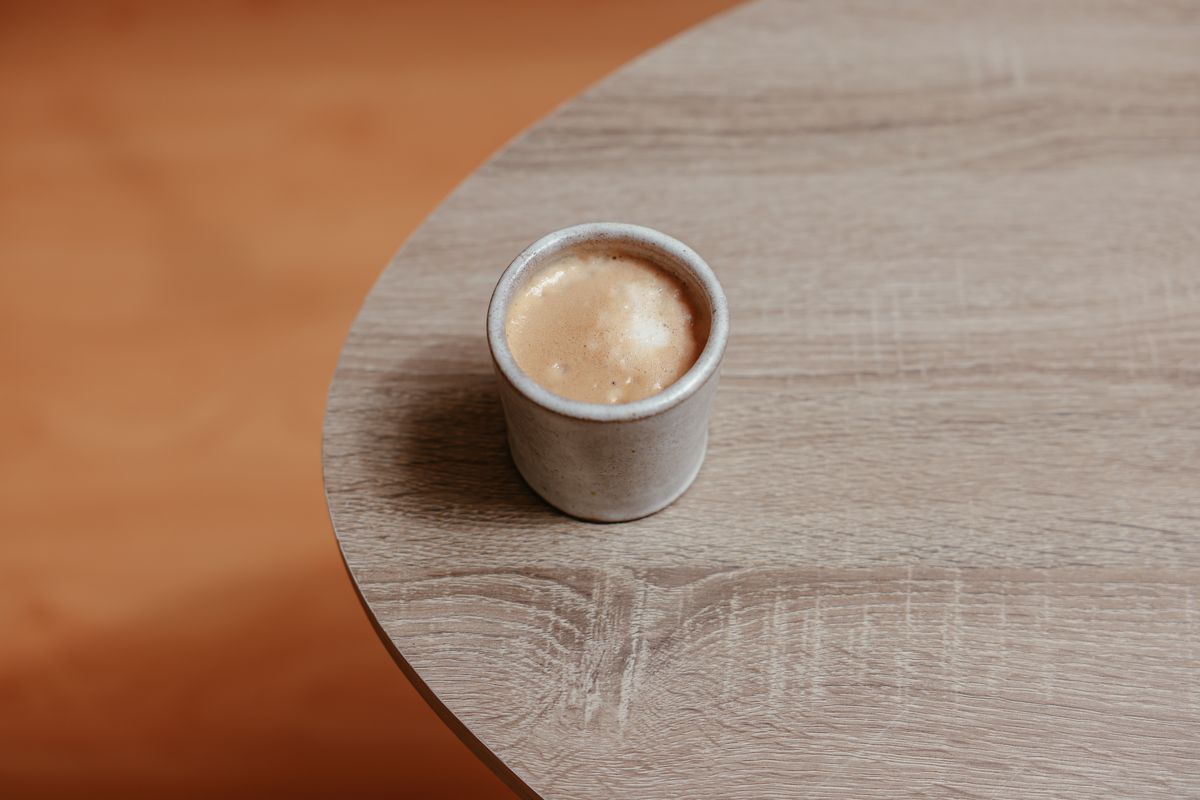
Photo by Cup of Couple on Pexels
What surprised me during the second week was the physical stability of the Mommy Tumbler compared to the lightweight plastic bottles I used previously. I spent several days examining the [Mommy Tumbler Performance Analysis and Daily Utility](/blog/mommy-tumbler-review-performance) metrics to see if my real-world experience matched the technical specs. The vacuum-sealed construction is the heavy lifter here. In one specific instance, I left the tumbler in my vehicle for three hours in 85-degree weather. When I returned, the ice had narrowed slightly but was still solid, and the water remained cold. This is the moment it earned its place in my daily carry. I also looked closely at whether the Mommy Tumbler actually spill proof claims held up when the cup was knocked over on a carpeted surface. In my testing, the lid seal prevented the kind of catastrophic soak that usually ruins a morning. The weight of the base is intentional; it resists tipping better than the tapered designs of many competitors I have handled in the past. Here's the moment it earned its place: I accidentally dropped it onto a concrete driveway while unloading groceries. While there was a small scuff on the powder coating, the structural integrity of the seal remained intact, and the lid did not pop off. This level of durability is essential because a mommy tumbler that breaks on the first drop is just another piece of plastic waste. I found that the handle ergonomics allowed for a firm grip even when my hands were full, which is a detail often overlooked by designers who prioritize aesthetics over utility.
Selecting a Reliable Daily Vessel
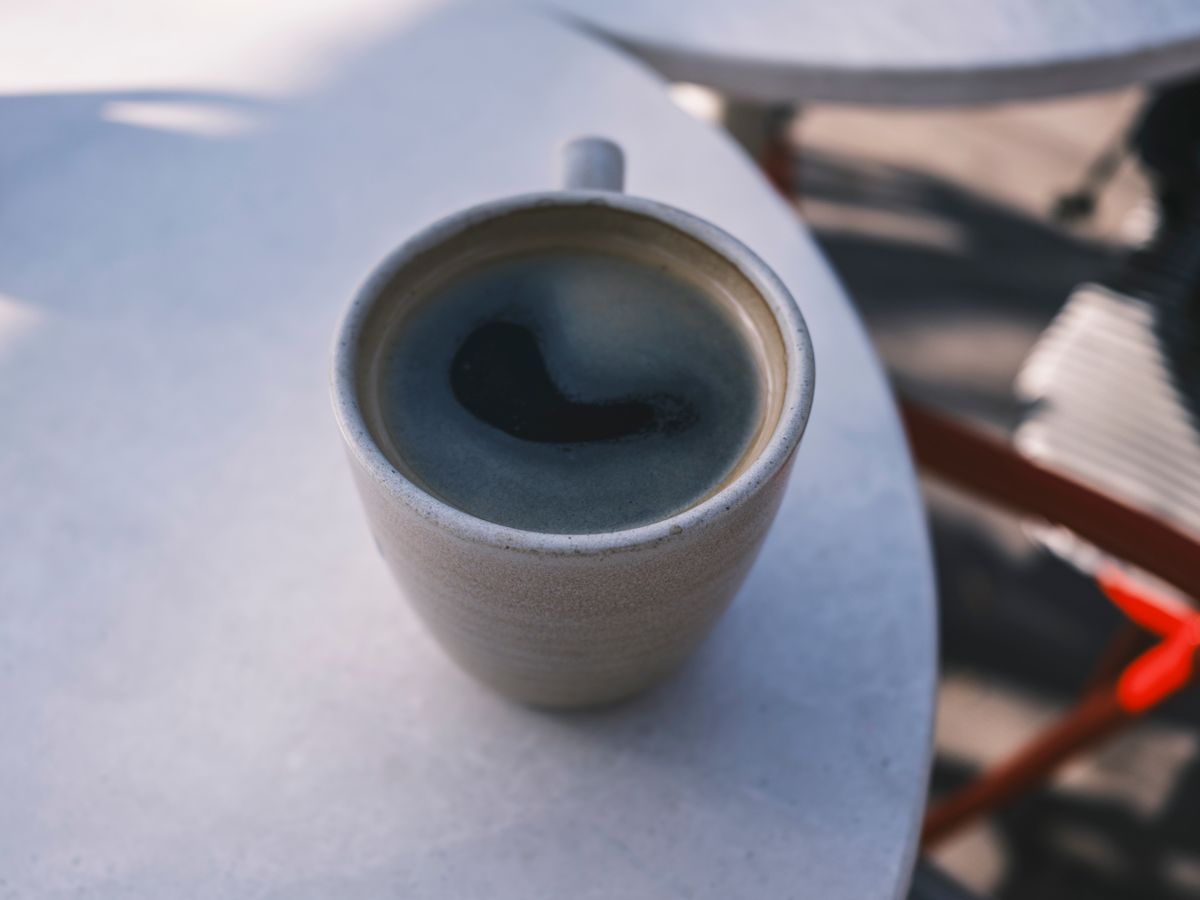
Photo by Engin Akyurt on Pexels
When deciding if this specific hardware fits your routine, you have to look past the branding and evaluate the mechanical points of failure. After two weeks of heavy use, I’ve developed a specific framework for what makes an insulated cup viable for a high-chaos environment. It isn't just about how long it keeps ice frozen, but how it integrates into the small gaps of your day. If I were to do one thing differently, I would have opted for the larger capacity model sooner, as the refill frequency on smaller cups can be a hidden time-sink. To determine if a vessel is the best tumbler for busy moms, it must pass a set of practical benchmarks. This includes the ability to fit into a standard automotive cup holder without wedging, and a lid system that doesn't require two hands to operate. You should also consider the ease of cleaning; if a lid has too many intricate silicone gaskets that aren't easily removable, it will eventually harbor mold. The [spill proof mom cup](/blog/spill-proof-mommy-tumbler) functionality should be tested early in your ownership to ensure the gaskets were seated correctly at the factory.
- Verify the base diameter fits your most-used vehicle cup holder.
- Check the lid seal for a double-gasket configuration to prevent leaks.
- Ensure the handle is welded or integrated, not just friction-fitted.
- Confirm the interior is 18/8 food-grade stainless steel to avoid metallic aftertaste.
- Test the straw tension to ensure it doesn't slip out during a drop.